Ha Giang Loop by Car: A Complete Guide to Vietnam’s Best Road Trip

The Ha Giang Loop is a circular road trip through the karst plateau of Dong Van, past Ma Pi Leng Pass and the Lung Cu Flagpole at Vietnam’s northernmost point. While many travelers picture this route on a motorbike, a private car tour with a local driver and guide covers the same scenery in far greater comfort — a route that works just as well, if not better, for families, older travelers, or anyone who simply prefers to look out the window instead of watching the road.
This guide covers what to expect from the Ha Giang Loop by car: the route itself, a suggested itinerary, the best time to go, and what makes a guided private car tour worth choosing over driving yourself.
What Is the Ha Giang Loop?
The “loop” refers to a circular route starting and ending in Ha Giang City, passing through the districts of Quan Ba, Yen Minh, Dong Van, and Meo Vac before returning to the starting point. The full loop covers roughly 300–350 km depending on how many side stops are added, and is typically spread across three to seven days of driving to leave room for photo stops, local markets, and overnight stays.
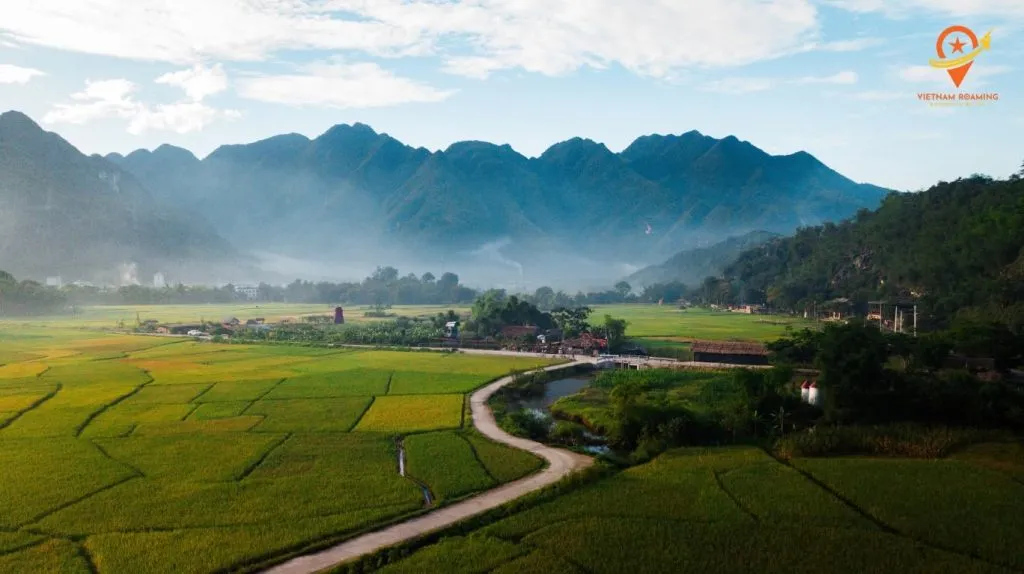
What makes the Ha Giang Loop stand out isn’t only the dramatic karst landscape — it’s the culture along the way. Villages of the H’Mong, Lo Lo, and Dao ethnic groups still follow traditional ways of life largely unchanged by mass tourism, especially visible at the region’s weekend highland markets.
Why Ha Giang Is Northern Vietnam’s Top Road Trip Destination
Three things set Ha Giang apart from other mountain routes in the north:
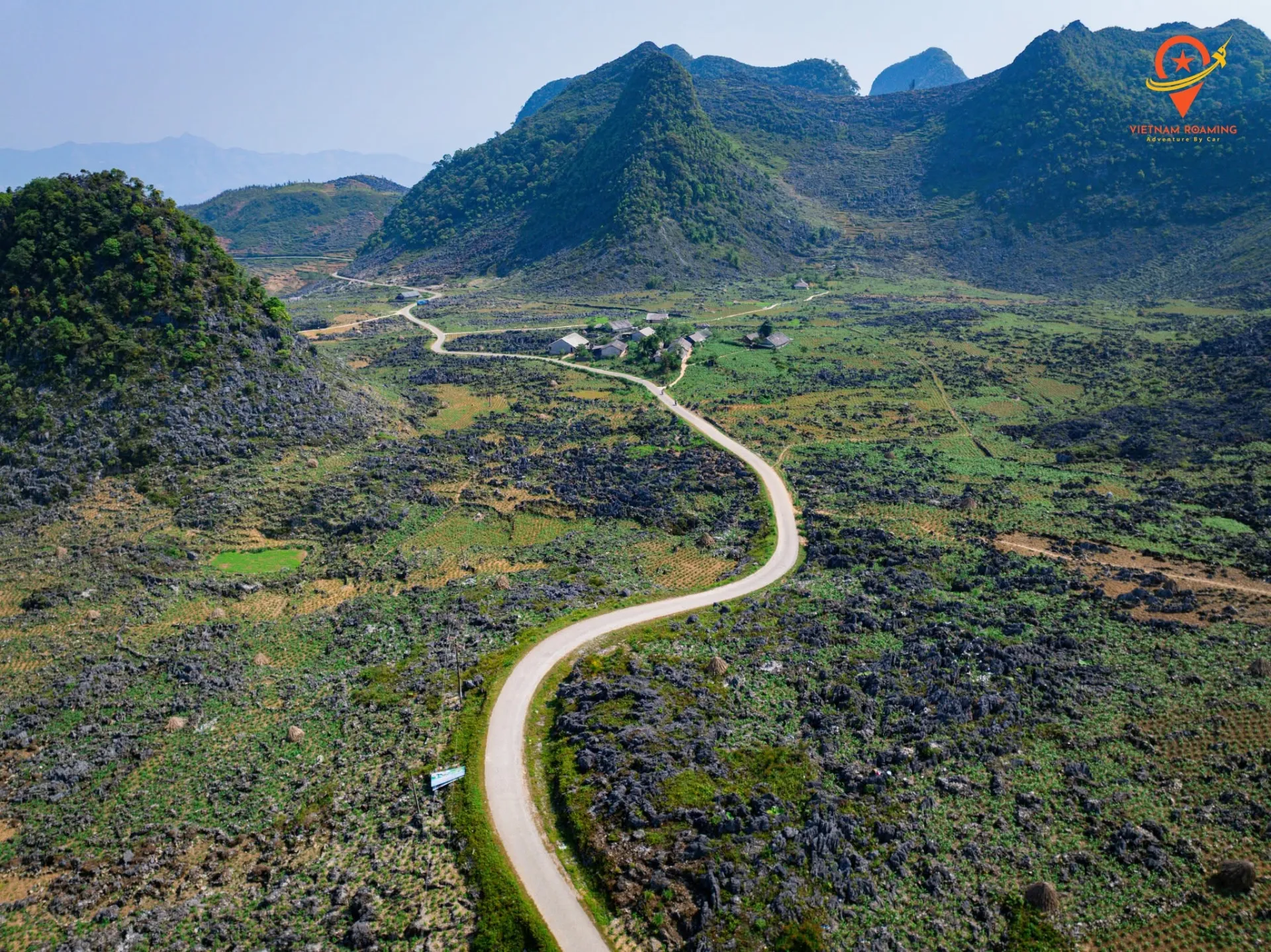
- Constantly changing terrain — from winding mountain passes to bare limestone plateau to lush terraced rice fields, often within the same hour of driving.
- Ma Pi Leng Pass, one of Vietnam’s four legendary mountain passes, with the emerald Nho Que River visible hundreds of meters below.
- Authentic local culture that feels far less commercialized than Sapa or Moc Chau, particularly at the weekend highland markets.
Private Car Tour vs. Self-Drive: Which Is Better?
This is the most common question for first-time visitors to Ha Giang.
Self-driving gives you full control over pace and stops, but requires confidence handling narrow mountain roads, sudden fog, and occasional landslides during the rainy season. You’ll also need to manage your own vehicle, route planning, and accommodation — often without reliable phone signal on the plateau.
A private car tour with a local driver and guide is the more comfortable and stress-free option, especially for travelers who want to focus on the scenery rather than navigation. A local guide knows current road conditions, seasonal weather patterns, and can bring you to viewpoints, homestays, and markets that self-driving visitors often miss entirely. This is the approach Vietnam Roaming takes: a professionally trained local team accompanies the journey from start to finish, so the experience feels personal and well-supported rather than like a generic group tour.
Suggested 5–7 Day Itinerary
A well-balanced itinerary that mixes driving time with experience time typically looks like this:
- Day 1: Hanoi – Ha Giang – Quan Ba (Heaven’s Gate, Twin Mountains)
- Day 2: Quan Ba – Yen Minh – Dong Van, with stops at villages along the way
- Day 3: Dong Van – Lung Cu Flagpole (northernmost point) – Dong Van Old Quarter at night
- Day 4: Dong Van – Ma Pi Leng Pass – Meo Vac – Nho Que River
- Day 5–6: Extend east toward Ba Be Lake or Ban Gioc Waterfall, depending on available time
- Final day: Return to Hanoi
Travelers with only four days can still experience the core of the loop (Quan Ba – Dong Van – Ma Pi Leng – Meo Vac) without cutting too many highlights. Vietnam Roaming offers a 7-day itinerary that combines Ha Giang with the full northern border route — see Vietnam Adventure Tour 7 Day Full Far North Frontier Loop for details.
Best Time to Do the Ha Giang Loop
- September to November: golden rice terraces and blooming buckwheat flowers, with the driest and most pleasant weather of the year.
- March to May: plum and peach blossom season in the villages, with mild, cool temperatures.
- June to August: rainy season, with a higher risk of slippery roads and landslides — not ideal for mountain driving.
- December to February: heavy fog is common and nighttime temperatures drop sharply, so warm clothing is essential.
Road Safety on Ha Giang’s Mountain Passes
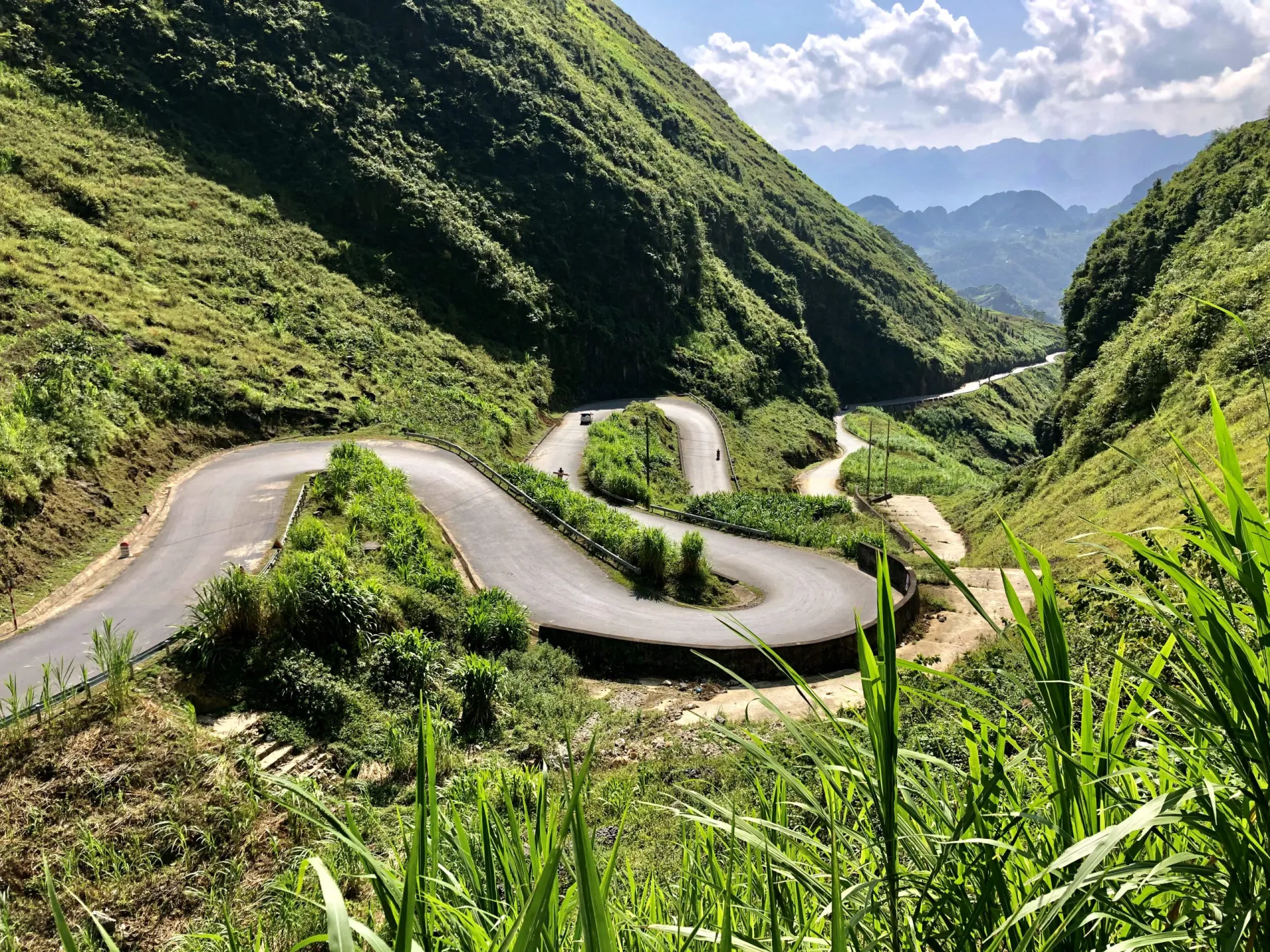
Ha Giang’s roads include many hairpin turns, steep grades, and sections without guardrails. A few basic safety principles apply whether you’re self-driving or riding along:
- Avoid traveling after dark or in heavy fog, when visibility drops significantly.
- Choose a vehicle and driver with strong experience on mountain terrain — this matters more here than on flat highway routes.
- Keep a safe following distance on narrow passes, particularly around blind corners.
- Build slack into the schedule; rushing on mountain roads is the most common cause of avoidable incidents.
Reference Costs
Costs for a Ha Giang Loop trip vary widely depending on the mode of travel and service level:
- Self-driving with a rented vehicle: costs vary by rental type and season, and don’t include the added risk and hassle of dealing with breakdowns on remote mountain roads.
- A fully guided private car tour, including driver, guide, accommodation, and meals: reference pricing for a 7-day itinerary covering Ha Giang and the northeastern border region starts from around $994 per person, including a local guide and support throughout the trip.
Frequently Asked Questions About the Ha Giang Loop
How many days is ideal for the Ha Giang Loop? A minimum of three days covers the core route (Quan Ba – Dong Van – Ma Pi Leng – Meo Vac); four to seven days is ideal if you want to include Lung Cu or extend toward Ba Be Lake and Ban Gioc Waterfall.
Is a private car tour better than self-driving for first-time visitors? For most first-time visitors, yes. A private car tour with a local driver and guide removes the stress of navigation and mountain driving while still covering the same scenery and stops.
Is the Ha Giang Loop safe? The route is safe when traveled at a reasonable pace with an experienced driver, though narrow mountain sections carry more risk during the rainy season. Traveling with a local guide significantly reduces this risk.
Do I need to book accommodation in advance? Yes, especially during peak season (September–November), as the best homestays in Dong Van and Meo Vac fill up weeks ahead.
Conclusion
The Ha Giang Loop deserves a top spot on any Northern Vietnam itinerary, whether you experience it self-driving or as a private car passenger. For travelers who want the full karst-plateau scenery with the comfort and local knowledge of a guided journey, a private car tour is worth the extra planning. Browse the full range of Ha Giang and northeastern itineraries on Vietnam Roaming’s Tours page, or get in touch to build a schedule that fits your travel dates and group size.